
Impurities are an inherent part of synthetic drug development and can have a significant impact on product quality, safety, and regulatory compliance. This blog explores key impurity profiling strategies, from the identification of process-related impurities and degradation products to the assessment of genotoxic impurities and nitrosamines, and outlines analytical approaches to support robust lifecycle control.
Impurities – including trace molecules, residual reagents, catalysts, and degradation products – are inherently present within synthetic drug products (DP). These impurities can affect drug safety, efficacy and eventual therapeutic outcome. For that reason, impurity profiling pharmaceuticals should not be treated as a checkbox at the end of development. It needs to be considered from the first stages of synthetic route design and then followed through scale-up, formulation, and stability studies. Drug impurity analysis supports this early control by helping teams identify risks before they affect product quality.
Across the pharmaceutical lifecycle, the impurity profile can change. Process by-products may be introduced during synthesis, degradation products may form during storage, and interactions between the active substance and excipients may create additional risks. Analytical chemists use chromatography, spectroscopy, mass spectrometry and other suitable techniques to identify and characterize these impurities. The data then help guide the next steps in the lifecycle of the synthetic DP. Chemical synthesis parameters can be refined; excipients can be selected more carefully and regulatory alignment with ICH Q3A and Q3B can be managed with stronger scientific support. Ultimately, early understanding of the impurity profile supports patients’ safety and product quality.
Impurity profiling goes beyond routine chromatographic screening. It involves detecting, identifying, and quantifying extraneous molecular entities that may be introduced during manufacturing or formed during storage. These compounds may come from raw materials, solvents, reagents, reaction by-products, or degradation pathways. Each impurity carries its own risk profile, whether that relates to reduced efficacy, unexpected toxicity, instability, or regulatory concern.
The goal is not only to detect impurities. A good impurity profile helps show which process steps generate the highest impurity burden, which batches may carry greater risk, and how storage conditions may affect the final product. Regulatory authorities also expect this context. Impurity profiles support risk assessment, threshold setting, and ICH Q3 compliance. In early development, they help shape reaction design. Later, they support stability interpretation and refinement of manufacturing controls. In practice, impurity profiling is iterative and continues across the product lifecycle.
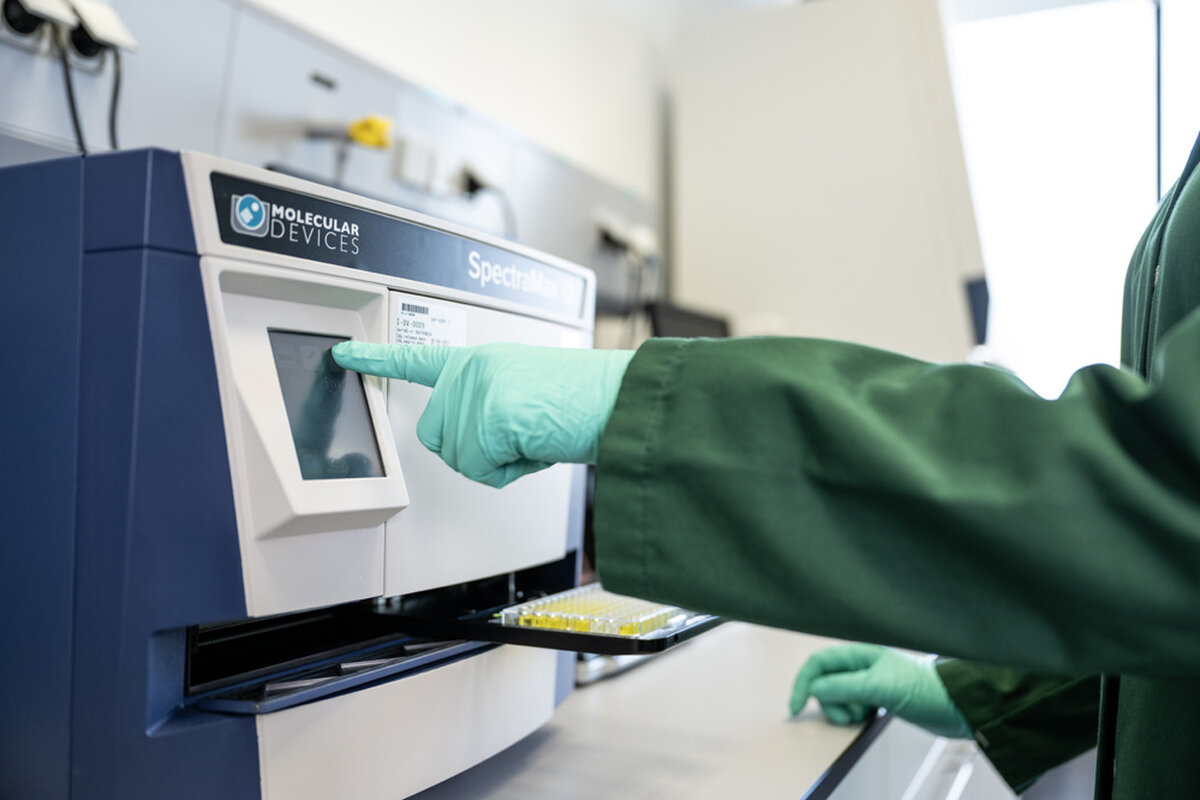
Types of impurities in pharmaceutical products
Impurities are inherently diverse; their distinct chemical structures and physicochemical behavior directly dictate their impact on stability, efficacy, and safety. Three main groups are usually the analytical and regulatory focus: process-related impurities, degradation products, and genotoxic or mutagenic impurities. Nevertheless, each newly detected impurity carries importance and should be rigorously identified and characterized.
Process-related impurities
Process-related impurities are not one single group. They can enter the material during synthesis, isolation, purification, or routine handling of the drug substance. Under ICH Q3A impurities guidance, it is useful to assess them as organic impurities, inorganic impurities, and residual solvents.
Organic impurities are usually linked to the chemistry of the route. Starting materials, intermediates, by-products, degradation products, reagents, ligands, and catalysts can all fall into this category. Some are predictable from the synthetic pathway. Others only become visible when the process is stressed, scaled up, or transferred. Temperature, pH, reaction time, reagent quality, and purification conditions can all shift the final impurity profile.
Inorganic impurities are usually tied to the manufacturing process. They are not always related to the drug molecule itself. This group can include residual reagents, ligands, catalysts, heavy metals or other residual metals, inorganic salts, filter aids, charcoal, and other processing materials. Residual solvents should be checked separately, since traces can remain after synthesis, purification, or processing. Limits need to reflect both toxicological risk and regulatory expectations.
These impurities are usually checked with HPLC, GC, and mass spectrometry (MS). ICH Q3A gives the thresholds for reporting, identification, and qualification in new drug substances. Once it is clear where an impurity is forming, and which process conditions make it worse, the next steps are easier to define. The team can adjust the reaction, improve purification, or tighten raw material specifications with a stronger scientific basis.
Degradation products
Some impurities are formed under the influence of environmental factors such as light, heat, humidity or through interactions with excipients within the drug product formulation. Degradation product analysis helps explain how these compounds form and change over time. Because degradation directly impacts product stability, and regulatory compliance, it must be rigorously evaluated during development.
To predict these pathways, forced degradation (stress testing) studies are performed on the drug substance during earlier development, exposing it to severe acidic, basic, oxidative, photolytic, and thermal conditions to map potential degradants. While these drug substance profiles provide foundational insights highly relevant to the final dosage form, drug product development further requires excipient compatibility studies. Together, the data generated from these complementary studies dictate formulation strategies, support packaging selection, and establish scientifically sound shelf-life and storage expectations.
Genotoxic impurities and nitrosamines
Among the most critical classes of impurities are mutagenic and genotoxic impurities, including nitrosamines, which possess the potential to induce DNA damage and increase carcinogenic risk even at trace levels. Consequently, nitrosamine risk assessment has become a mandatory aspect of pharmaceutical safety and regulatory compliance. Due to their high potency, regulatory authorities enforce stringent acceptable limits.
Nitrosamines can originate from various sources, including contaminated reagents, recycled solvents, or specific excipients, and their formation is highly dependent on processing conditions such as pH and temperature. To ensure compliance with these low regulatory thresholds, highly sensitive and specific analytical techniques—primarily LC-MS/MS and GC-MS—are deployed for trace-level detection and quantification. Ultimately, a proactive strategy combining comprehensive risk assessments, highly sensitive methodologies, and robust manufacturing controls is imperative to mitigate formation and maintain safe levels throughout the product lifecycle.
Analytical techniques for impurity profiling
Comprehensive impurity profiling cannot be achieved through a single analytical methodology; rather, it requires a multi-layered, orthogonal approach. Liquid or gas chromatograph is typically used to separate complex mixtures and resolve closely related chemical species. Following separation, mass spectrometry (MS) provides structural insights by determining precise molecular weights and characteristic fragmentation patterns. Concurrently, Nuclear Magnetic Resonance (NMR) spectroscopy elucidates the definitive molecular structure. Because a single method is inherently insufficient, the integration of these techniques is essential: chromatography maps the overall impurity profile, while MS and NMR can resolve the discrete structural details of each component.
This analytical workflow is inherently iterative. Initial chromatographic separation highlights unknown or emergent impurities. Structural elucidation techniques are then deployed to identify them, followed by the development of validated quantitative methods to monitor their levels against established regulatory thresholds. By rigorously tracking every impurity, development teams can confidently support lifecycle control and batch consistency.1
The interplay between impurity profiling and stability
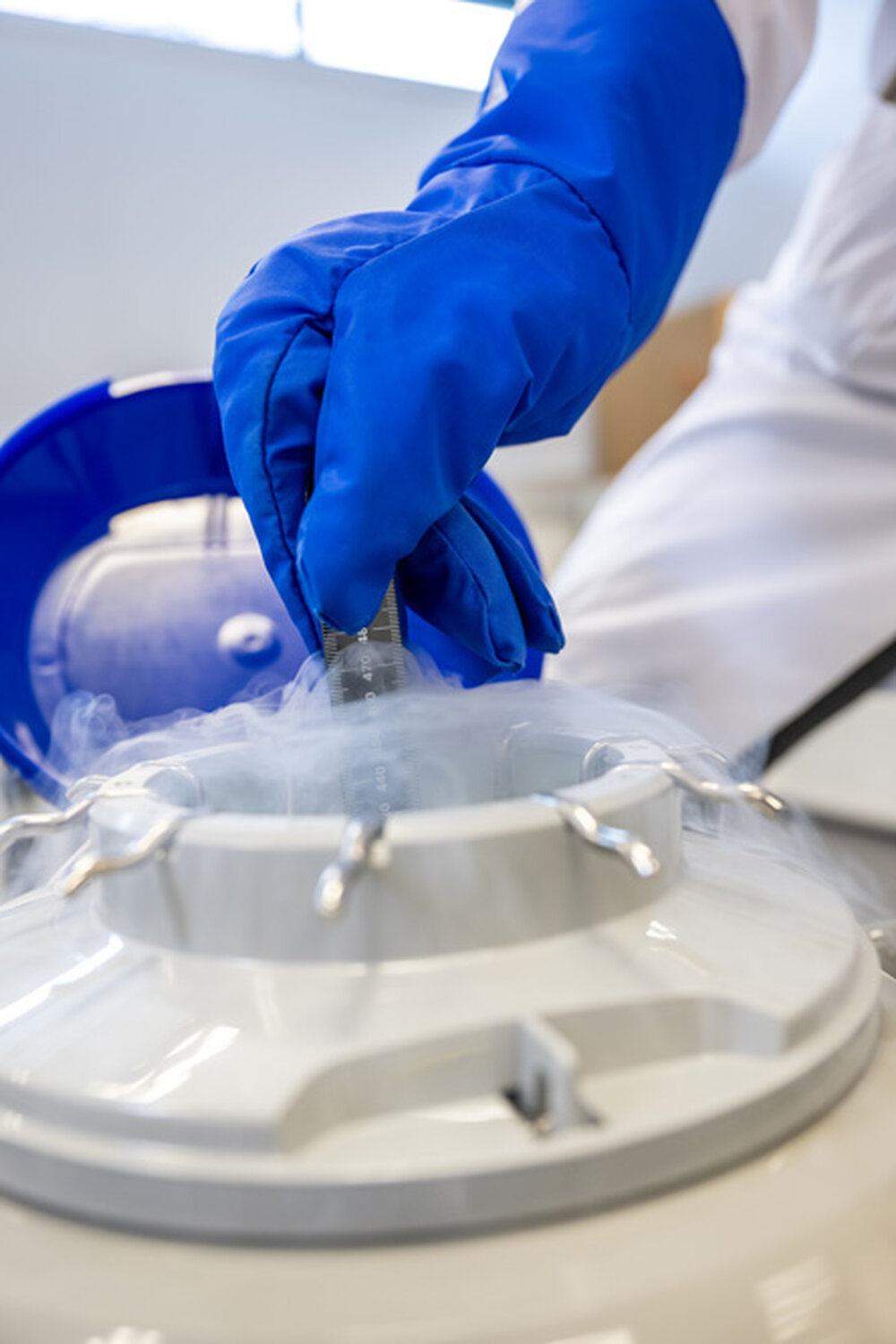
Impurity profiling and stability testing are inherently interdependent; establishing a drug’s long-term safety profile requires a comprehensive understanding of its degradation kinetics over time. Real-time and accelerated stability studies systematically monitor which impurities emerge, proliferate, or degrade during storage. Crucially, these potential degradation pathways and molecular vulnerabilities — such as photolytic sensitivity, thermal instability, or incompatibilities with reactive excipients — are typically elucidated during early-phase forced degradation (stress testing) of the drug substance.
Consequently, when designing stability studies for the final drug product, these predetermined degradation risks are already strategically mitigated. The data gathered from early drug substance characterization informs the formulation design and protective measures, such as the integration of stabilizers or scavengers, and the selection of optimized primary packaging such as specific blister configurations or amber vials.
Ultimately, this integrated analytical strategy relies on an iterative workflow: high-resolution chromatographic separation detects emergent peaks, structural elucidation techniques determine their chemical identity, and validated quantitative methods track their levels over time. The resulting dataset forms the scientific rationale required to define shelf-life specifications, justify packaging selection, and establish mandatory storage conditions.
Key challenges in impurity analysis
The quantification and identification of impurities present significant analytical challenges. Many impurities occur at trace levels - frequently at parts-per-million (ppm) concentrations or even lower - rendering them difficult to detect using conventional methodologies. This difficulty is compounded by chromatographic co-elution, wherein structurally or chromatographically similar compounds elute simultaneously, masking the presence of impurity beneath the main peak or adjacent ones.
Unidentified or novel impurities represent a substantial challenge in CMC (Chemistry, Manufacturing, and Controls) development due to the absence of reference standards. Furthermore, complex matrix effects introduced by excipients, buffers, and stabilizers within the final drug product formulation can significantly interfere with signal resolution and suppress ionization. Overcoming these analytical bottlenecks requires more than advanced instrumentation; it demands highly skilled personnel, robust method development expertise, and a multi-technique strategy. Proactively addressing these hurdles is imperative to ensure that pharmaceutical impurity profiling remains accurate, reproducible, and fully compliant with regulatory standards2.
Regulatory expectations (ICH Q3A/Q3B)
ICH Q3A and Q3B establish the definitive regulatory thresholds for the reporting, identification, and qualification of impurities. Within this framework, qualification represents a critical component rather than the entirety of the process. Should an impurity exceed the established qualification threshold, it must first be quantitatively measured, followed by a rigorous toxicological safety evaluation. Specifically, novel drug substances (DS) are governed by the mandates of ICH Q3A, whereas finished drug products (DP) fall under the purview of ICH Q3B. The overarching objective of these guidelines is to ensure robust, batch-to-batch consistency and strict control throughout the product lifecycle.
When reviewing regulatory submissions, authorities specifically evaluate three core components: the scientific justification for established specification limits, clear and validated analytical methodologies, and comprehensive risk mitigation strategies. Consequently, development teams typically initiate an impurity control strategy during early-phase development, starting with high-resolution chromatographic separation. This is followed by structural identification and eventual quantification — all of which serve as foundational data for regulatory filings. Ultimately, legally defensible and scientifically sound analytical data is the cornerstone of the submission; without it, confirming threshold compliance and securing regulatory approval becomes exceedingly difficult.3
Strategic role of impurity profiling in CMC
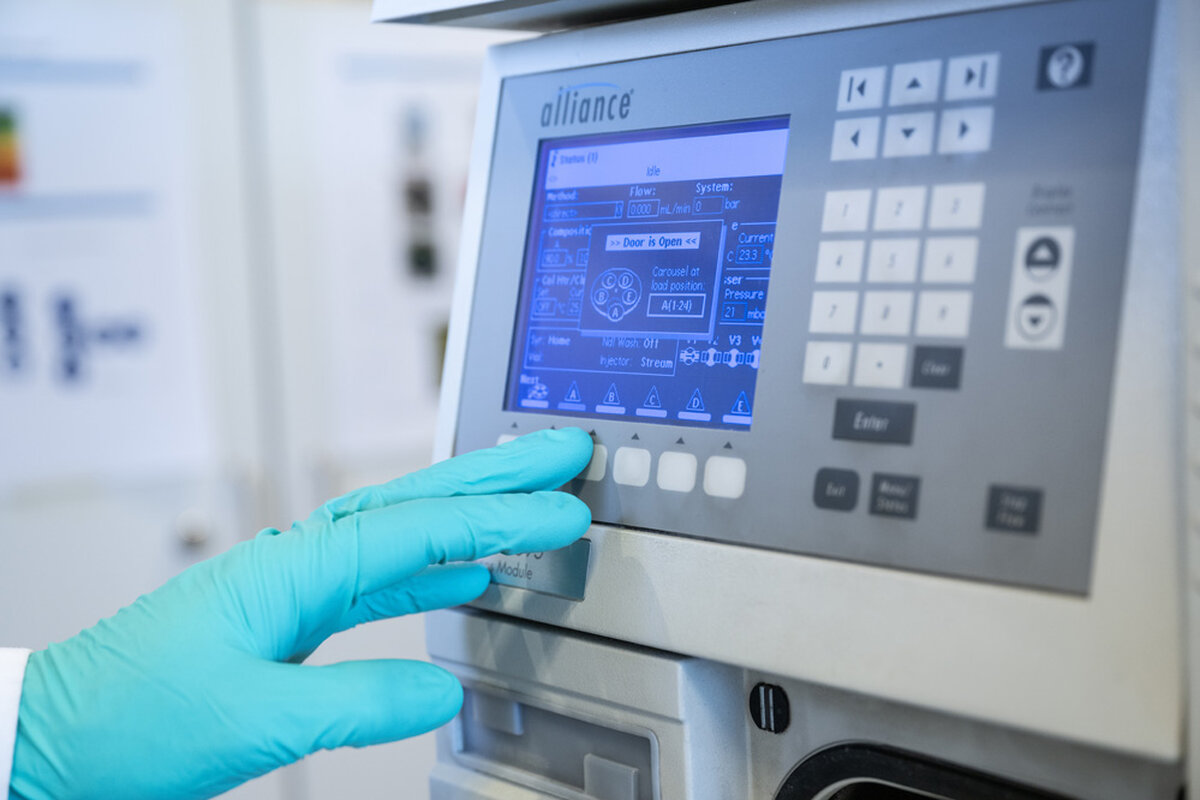
Impurity profiling is central to CMC strategy. Far from being a mere analytical exercise, comprehensive profiling is an active driver of process chemistry, risk mitigation and product lifecycle control.
Characterizing the impurity profile at every stage of development directly enhances process understanding in alignment with Quality by Design (QbD) principles. By systematically mapping impurities, development teams can precisely identify how specific reagents, solvents, intermediates, or reaction conditions generate unwanted by-products, degradation products, or mutagens. This data allows for the optimization of synthesis pathways, the definition of a robust process design, and a significant reduction in batch-to-batch variability.
Impurity profiles are dynamic, not static. Process scale-up, technology transfers to new manufacturing sites, and long-term storage conditions can all introduce novel degradation pathways or alter impurity kinetics. Continuous monitoring and robust profiling are regulatory imperatives to ensure that these critical quality attributes (CQAs) consistently remain within qualified, non-toxic thresholds.
To achieve this, the utilization of validated analytical methods is non-negotiable. Methods must possess the required sensitivity, selectivity, and reproducibility to detect and quantify trace impurities. Ultimately, impurity profiling is an indispensable risk management tool. By embedding rigorous profiling into the core of your CMC strategy, development teams can support data-driven decision-making, streamline regulatory approvals, and safeguard product quality patient safety, and regulatory readiness.
Connect with our experts
Our experts support pharmaceutical and biotech companies in developing impurity profiling strategies for synthetic drug products, including process-related impurities, degradation products, genotoxic impurities, and nitrosamines.
From analytical method development and impurity characterization to stability assessment and regulatory alignment, we help ensure product quality, safety, and compliance throughout development.
Get in touch to discuss your program and explore how we can support your analytical strategy.
Frequently asked questions
What is impurity profiling in pharmaceuticals?
Impurity profiling aims to identify, measure and track impurities over time in order to control any safety or quality risk and ensures compliance.
What are the main types of impurities in drug products?
Three main types are considered: Process-related impurities, degradation products, genotoxic impurities including nitrosamines. Each type requires a different analytical approach. For new drug substances, ICH Q3A further classifies impurities as organic impurities, inorganic impurities, and residual solvents.
What is the difference between process-related impurities and degradation products?
Process-related impurities are related to and introduced during the production process of the drug product. They may include starting materials, intermediates, by-products, reagents, ligands, catalysts, inorganic impurities, and residual solvents. Degradation products are formed due to exposure to stress within the environmental conditions.
What are genotoxic impurities and why are they regulated differently?
These impurities can harm DNA, even at very low levels. That is why regulatory limits are extremely strict. Analytical methods designed for determination of these compounds must ensure a high level of sensitivity.
How do ICH Q3A and Q3B guidelines define impurity thresholds?
ICH Q3A covers drug substances. Q3B covers finished products. Both set levels for reporting, identification, and qualification based on safety risk.
References
- Zhang, L., & Xue, G. (2011, April 1). Automated peak tracking for comprehensive impurity profiling with chemometric mass spectrometric data processing. LCGC Supplements, 29(4).
- Roussis, S. G., Cedillo, I., & Rentel, C. (2019). Semi-quantitative determination of co-eluting impurities in oligonucleotide drugs using ion-pair reversed-phase liquid chromatography mass spectrometry. Journal of Chromatography A, 1584, 106–114.
- ICH. (2006). Impurities in new drug substances Q3A(R2). Assessed from https://database.ich.org/sites/default/files/Q3A%28R2%29%20Guideline.pdf

