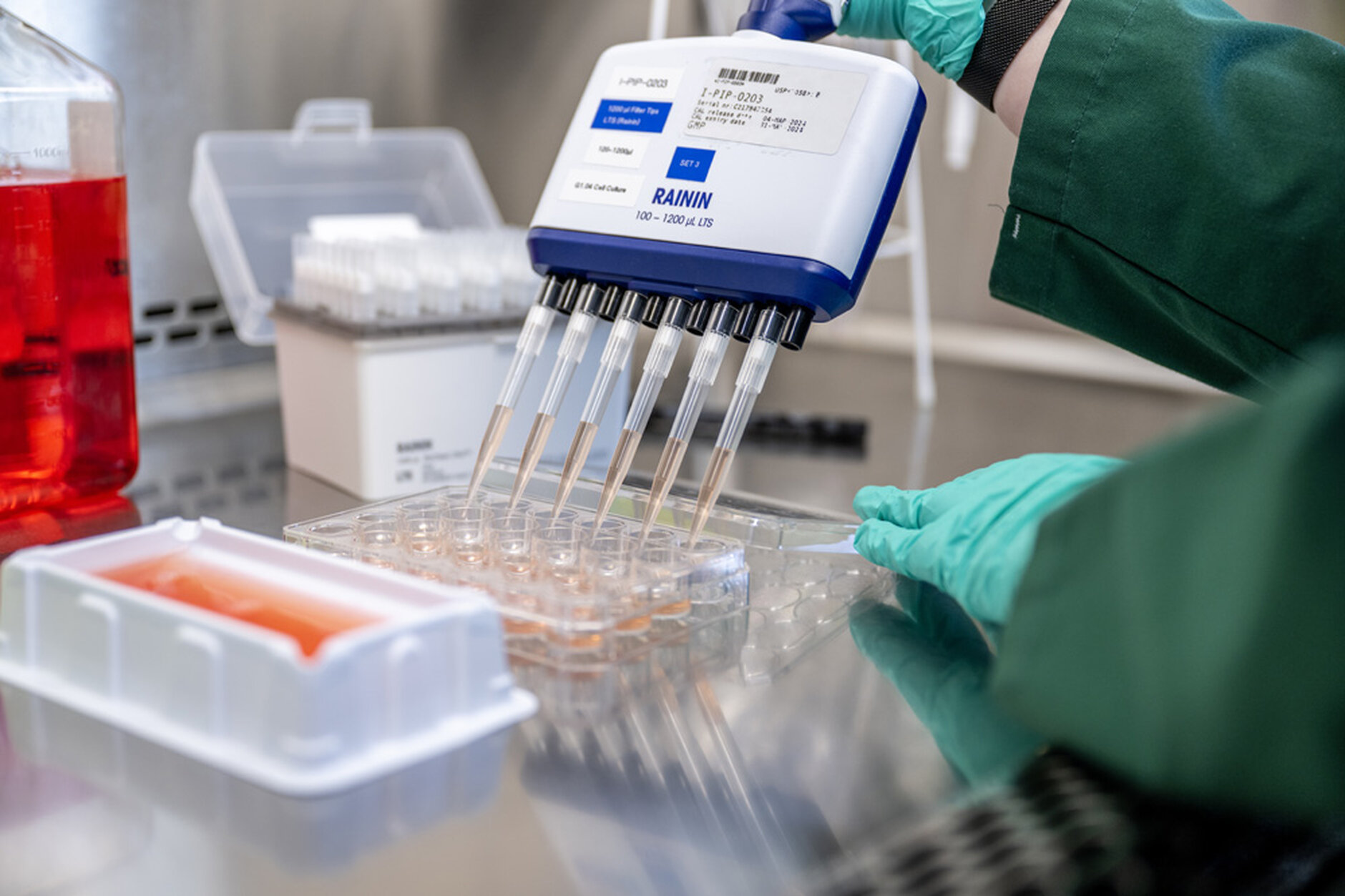
Stability testing is a strategic part of pharmaceutical development, providing the data needed to support product quality, shelf life, and regulatory compliance throughout the product lifecycle. From early formulation studies to commercial manufacturing, a well-designed stability strategy guides critical decisions on storage conditions, packaging, and analytical control. This blog explores the key stability testing approaches, analytical requirements, and best practices for building robust, lifecycle-driven stability programs.
Stability testing services should be embedded in the drug lifecycle, rather than treated as a late regulatory hurdle. Data generated during these studies influence shelf life, formulation design, packaging selection, labelled storage conditions, transport controls, in-use handling, and ultimately its commercial viability. The stability strategy evolves accordingly from formulation screening through clinical supply, scale-up, and commercial manufacture. Poor designed early programs lead to delays, repeated studies, incorrect packaging choices, or weak regulatory justification. Conversely, a good program links storage conditions, stress testing, method readiness, and risk-based decisions, within the current ICH Q1 guideline framework.
The role of stability testing in the pharmaceutical lifecycle
Stability testing links analytical data with real-world drug product performance. It converts changes in assay, degradation products, dissolution, water content, appearance, microbial quality, and other critical quality attributes into decisions on shelf life, storage, packaging, and distribution.
Within the Common Technical Document (CTD), stability data form a core part of Module 3. These data are essential to set shelf life, recommend storage conditions, justify container closure systems, define transport conditions, support comparability assessments, and manage post-approval changes. Regulators want data that are scientifically sound, internally consistent, and produced with suitable analytical methods. For instance, HPLC and UPLC purity methods must be fit for purpose, stability indicating where required, and capable of detecting relevant degradants. Consequently, robust analytical method validation is therefore a prerequisite for reliable stability conclusions. Read more about analytical method validation in our blog.
Lifecycle studies may extend beyond classical ICH conditions. In-use studies, transport studies, temperature cycling, packaging compatibility, force degradation studies, and early DOE-based stability assessments may all be needed dependent on the modality and commercialization strategy.

Types of stability studies and storage conditions
A sound strategy makes the clear distinction between standard ICH storage conditions, stress testing, and forced degradation studies. ICH storage conditions generate real-time and accelerated data under regulatory-defined ICH Q1/Q1A environments. Stress conditions explore degradation behavior under harsher environmental exposures to map out potential degradation pathways, while forced degradation studies are a specific subset of stress testing, designed to intentionally generate degradation products to support method development and specificity assessments.
Long-term stability studies
Long-term stability studies provide the primary package for shelf-life assignment under intended storage conditions. These studies evaluate product quality under intended commercial storage conditions, selected by product type, intended market and climate zone. Typical ICH long-term conditions may include room temperature, refrigerated, or frozen storage depending on the product’s stability profile and labelled storage requirements. These studies form the regulatory backbone of a submission and continue long after initial approval through commercialization, and post-approval stability monitoring.
Accelerated storage conditions
Accelerated storage conditions, as described in ICH Q1A, evaluate degradation risk under elevated environmental challenges. Examples include increased temperature and humidity, such as 40°C/75% relative humidity (RH) for many room-temperature drug products. Accelerated data can identify temperature sensitivity, moisture sensitivity, packaging weakness, or formulation instability. While they support early decision-making, they complement but do not replace long-term stability data.
Intermediate storage conditions
Intermediate storage conditions are distinct from stress conditions and force degradation studies. They are controlled ICH storage conditions, often used when significant product change occurs under accelerated storage or when additional stability understanding is needed. Under ICH Q1A(R2), the intermediate condition is typically 30°C ± 2°C/65% RH ± 5% RH. This condition is particularly relevant in relation to climatic zone considerations and may also serve as an alternative long-term storage condition for certain products intended for Climatic Zones III and IV. Final selection should depend on the product, formulation, intended use, target market, climate zone, and proposed storage statement.
Stress testing versus forced degradation studies
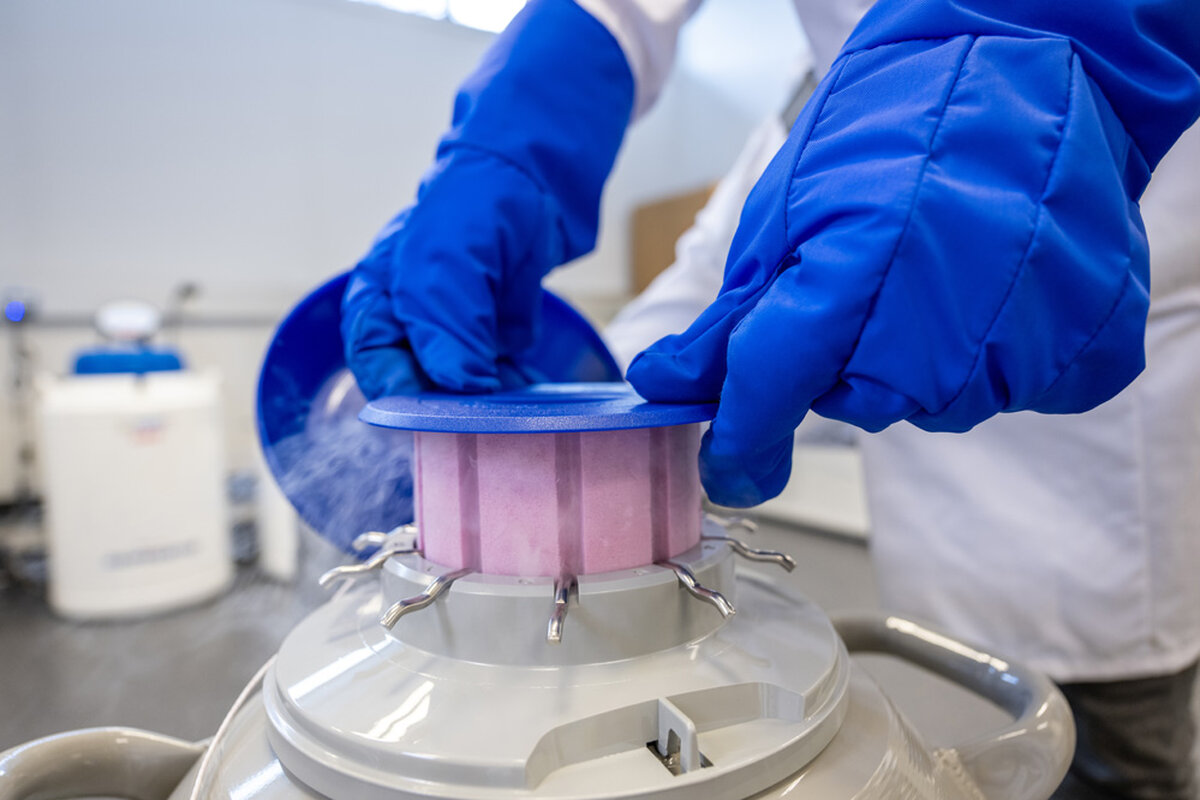
Stress testing is broader than forced degradation. It may include conditions used during stability programs to understand degradation behavior[LR1.1], product sensitivity, or likely failure modes, including heat, humidity, light, oxidation, pH, freeze-thaw exposure, and temperature cycling.
Forced degradation studies are a specific subset of stress testing. Their purpose is to intentionally generate degradation products so that purity methods, e.g. based on liquid chromatography (LC) can demonstrate specificity and stability-indicating capability. They support method development, peak purity assessment, degradant identification, and control of co-elution risk.
Predictive stability testing (ASAP)
Predictive stability testing is an evolving strategy for faster decision-making. ASAP is one model-based approach using accelerated degradation data, temperature and humidity modelling, and statistical interpretation to estimate long-term stability outcomes in a fraction of the time. During early development, it can support formulation screening and packaging comparison before long-term data are available. Regulatory interest has increased following the recent ICH Q1 guideline updates, but acceptance continues to evolve, meaning that it currently serves as a powerful complementary tool alongside traditional ICH studies.
Stability-indicating methods and analytical requirements
Reliable stability data depend on analytical methods that track meaningful quality changes. Method performance, degradation understanding, and impurity control strategy are central. A release method may still be unsuitable for stability if it cannot resolve emerging degradants, detect low-level changes, or remain robust across aged samples and stressed matrices.
What makes a method stability-indicating
A stability-indicating method must separate the active compound from degradation products, process-related impurities, excipient-related peaks, and matrix components. Specificity is a must, but good separation by itself is not enough. The method should also help understand degradation pathways, assess peak purity when needed, and maintain acceptable mass balance (active compound vs degradants) across stressed and stability samples. Robust method design is critical long before initiating pivotal stability studies. Learn more about our analytical method development services.
Analytical challenges in stability testing
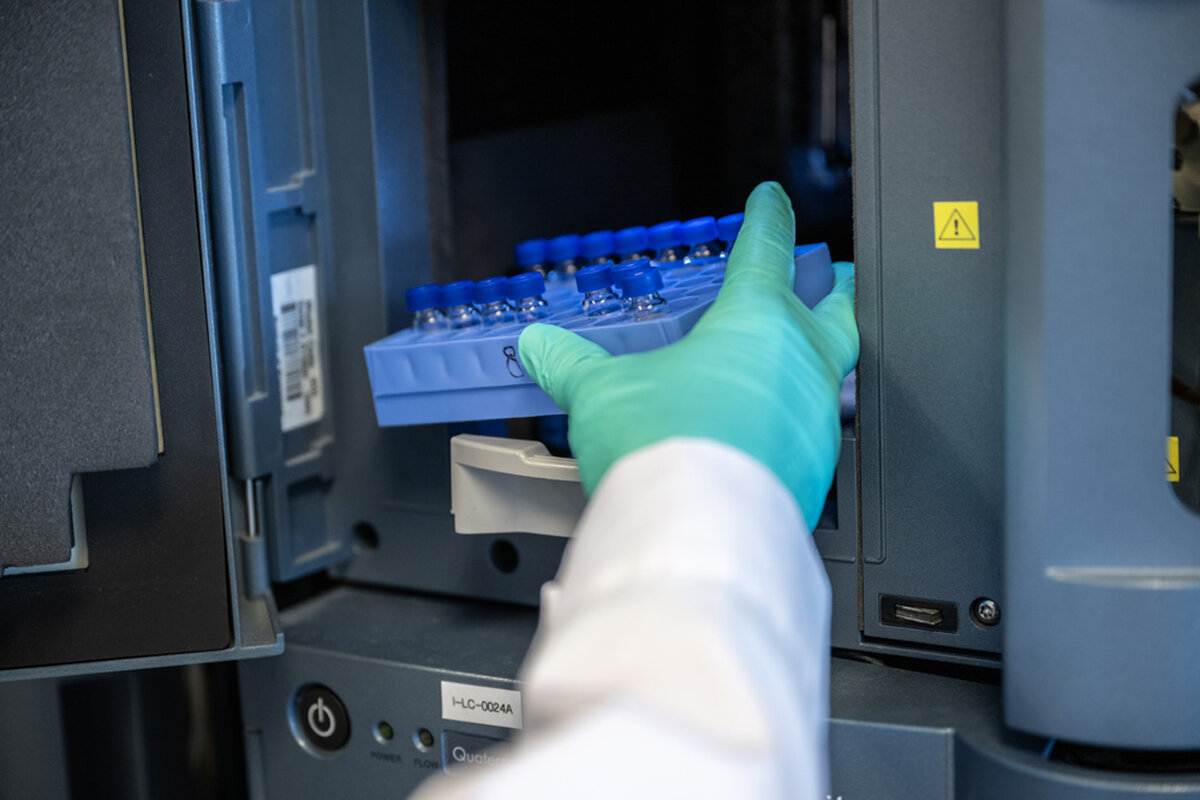
Purity methods, such as high-performance LC (HPLC), ultra-HPLC (UPLC) and capillary electrophoresis, often carry the heaviest burden in stability interpretation. Common challenges include co-elution between degradants and the active peak, low-level degradant detection near reporting thresholds, matrix effects, changing impurity profiles, and sensitivity limitations. When analytical performance is not good enough, stability trends can be misinterpreted, shelf‑life claims may lack support and regulators may raise concerns. To mitigate this risk, modern programs are increasingly adopting Continuous Method Performance Verification (CMPV). By continuously monitoring specific system suitability parameters over time, CMPV allows laboratories to detect special-cause variations—such as instrument drift or column deterioration—and rectify them before a System Suitability Test (SST) fails or anomalous stability data is obtained.
Stability considerations for different drug modalities
Stability strategy are not one-size-fits-all. Degradation behavior, analytical readouts, and acceptable control approaches differ drastically based on the drug modality.
Synthetic molecules
Synthetic molecules often show relatively predictable chemical degradation pathways, although formulation and matrix effects can complicate interpretation. Common degradation routes are hydrolysis, oxidation, and photolysis. These can create known or unknown impurities that need control. For synthetic molecule drugs, including traditional small molecules, stability testing mostly relies on HPLC- or UPLC-based purity methods. Knowledge on the level and type of degradation knowledge supports specifications, packaging selection, storage recommendations, and shelf-life justification. Further context is available here.
Biotherapeutics
Biotherapeutics introduce greater complexity because degradation is not limited to classical chemical impurity formation. Structural sensitivity, aggregation, fragmentation, deamidation, oxidation, glycosylation changes, conformational instability, and loss of functional activity may all affect quality. Stability programs may need methods for evaluation of purity, potency, charge variants, higher-order structure, particulate matter, and aggregation to distinguish meaningful product changes.
Regulatory expectations (ICH Q1, EMA & FDA)
Regulatory expectations remain practical and evidence driven. Current ICH Q1A(R2) guidance remains the established basis for stability testing of new drug substances and drug products. A new consolidated ICH Q1 guideline is currently in draft and is intended to supersede the existing ICH Q1A–F and Q5C stability guidances once finalized. The draft framework aims to consolidate and modernize stability expectations across the Q1 series, but it should not yet be described as implemented guidance. [LR2.1][AH2.2]EMA and FDA expectations remain aligned with this basis.
A submission package aimed at regulators should explain the storage conditions, testing frequency, batch selection, batch size, packaging, analytical methods, and how trends are evaluated. Reliable shelf-life data must come from the actual manufacturing process and the primary packaging that will be used. For instance, for HPLC and UPLC methods, regulators want clear specificity, adequate sensitivity, and control over co-elution. That is particularly important when impurity profiles change over time. Keeping things consistent across the lifecycle matters more and more. Stability commitments, annual commercial batches, post-approval changes, site transfers, packaging updates, and comparability studies all need to tie back to the original stability reasoning.
Strategic stability planning in Chemistry, Manufacturing, and Control
Strategic stability planning should begin before pivotal formulation and packaging decisions are locked. Stability risk is shaped by formulation composition, drug substance properties, manufacturing conditions, primary packaging analytical method performance and intended storage profile.
Starting early makes a difference. Screening studies, DOE-based stability tests, forced degradation studies and accelerated storage can catch degradation pathways, moisture sensitivity, oxidation risk, light sensitivity, or packaging problems early, before large investments get locked in. Analytical methods must keep pace. HPLC and UPLC methods need good specificity, enough sensitivity, and solid performance across the expected impurity profile. Packaging, transport, scale-up, site transfer, process optimization[LR3.1][AH3.2], and post-approval changes should remain linked to the stability rationale.
Anabiotec supports stability studies as a strategic analytical partner across the full drug lifecycle, from early development and stability-indicating method development to ICH stability programs, in-use studies, degradation profiling, and commercial analytical support. A connected analytical approach can improve timelines, eliminate rework, and strengthen regulatory readiness.
Connect with our experts
Our experts support pharmaceutical and biotech companies in designing, validating, and implementing stability testing strategies throughout the pharmaceutical lifecycle.
From stability-indicating method development and ICH stability studies to degradation profiling and regulatory alignment, we help ensure product quality, shelf-life confidence, and compliance from early development through commercialization.
Get in touch to discuss your program and explore how we can support your analytical strategy.
Frequently asked questions
What is the difference between accelerated[IDR4.1] and long-term stability conditions?
Long-term stability studies assess product quality under the exact labeled storage conditions intended for the market, providing the real-time data required to establish an official shelf life. Accelerated conditions expose the product to elevated temperature and humidity (e.g., 40°C / 75% RH) to deliberately speed up degradation, allowing developers to rapidly screen formulations and identify potential packaging weaknesses early in development.
What are typical ICH stability conditions?
Typical ICH stability conditions depend on product type, storage statement, and climatic zone. For a room temperature product, long-term storage is typically maintained at 25°C / 60% RH or 30°C / 65% RH, intermediate storage at 30°C / 65% RH, and accelerated testing at 40°C / 75% RH. Specialized conditions apply to refrigerated (5°C) and frozen (-20°C / -80°C) modalities.
What is predictive stability testing?
Predictive stability testing uses model-based approaches to estimate long-term stability behavior from short term, accelerated degradation data. Accelerated Stability Assessment Program (ASAP®) is one example, often used as rapid assessment during early development to guide formulation, packaging, and development decisions while conventional ICH stability data continue to build.
How do forced degradation studies support stability-indicating methods?
Forced degradation studies expose the drug to severe stress conditions (e.g. pH, heat, photolysis, oxidation) to intentionally generate degradation products. The resulting material is then used during method development to prove that a purity method possesses the specificity to resolve the drug from its degradants, and the sensitivity to detect significant changes in impurities.
When are intermediate storage conditions required?
Intermediate storage conditions are commonly used when significant change occurs under accelerated storage conditions. They may also be proactively applied when additional stability understanding is needed to support shelf-life, storage recommendations, or product-specific risk assessment.